Minutes of the February Meeting
The first KBG meeting of 2025 took place at the lecture hall 2, Aga Khan University (AKU) medical college. The meeting was attended by 25 in person and 26 online participants, including faculty members and graduate students from AKU, CBEC-SIUT, Ziauddin University, JSMU, and other institutes.
Following are the proceedings of the meeting:
- Welcome & Plan for KBG at AKU
Dr. Shahid Shamim welcomed all the attendees to the first KBG meeting of 2025 at AKU. He informed about the plans for 2025 meetings and potential future agendas, including bioethics related educational activities from different institutes, ethical issues and concerns, and research reports. Dr. Shamim also suggested the possibility of presenting a letter of appreciation for student presentations in future meetings.
- Review of previous meeting minutes
The minutes of previous KBG meeting were circulated to KBG members via email by Ms. Shabana Tabassum. The members approved the minutes.
- Bioethics related activities at AKU
Dr. Tashfeen Ahmad presented the bioethics related activities of AKU faculty which included restarting of the masters in bioethics program, participation in seminars and conferences with in and outside AKU and organising a bioethics conference at AKU.
Dr. Shahid Shamim informed about the recommendations that came out of the round table meetings during the Bioethics conference at AKU. He said that the recommendations have been sent to the PMDC president, however, there is no response from their office.
Dr, Shahid Shamim informed about the efforts of Dr. Saniya Sabzwari, Chair Department of Education Development (DED), Dr Tashfeen Ahmad and Dr. Anita Allana for the development of Section of Bioethics within DED at AKU.
Dr. Farhat Moazam and Dr. Murad Musa appreciated the efforts and added that such efforts are important to enhance bioethics education in healthcare institutes across the country.
- Medical professional v/s legal framework: Story of a Professional Death Sentence
Dr. Mustafa Aslam narrated the case of a general surgeon in Punjab, whose licence to practice was revoked by PMC/PMDC on allegations of malpractice, professional misconduct & negligence. Dr. Nida Wahid was of the opinion that there were several shortfalls in the way the doctor managed the deceased patient and therefore he was sentenced. Dr. Aamir Jafary asked that if the doctor was sentenced for his misdoing than what is the ethical issue? Dr. Aslam argued that that there were loopholes in the court proceedings which makes the case worth discussing. He added that medical students should be taught law along with ethics in under and postgraduate education.
- Shared Decision-Making in Paediatrics: Challenges and Opportunities
Dr. Shahzadi Resham presented the case of a ten-year-old child whose end-of-life decisions were made by his parents, without involving the child in the discussion. She shared her concern that in most paediatric cases, children, whose lives are being discussed, are not made part of the discussion. Dr. Naima Zameer said that in her practice, assent is usually practiced with children between 15 and 17 years of age, who are more aware and mature. Dr. Javeria argued that parents are usually taking the decisions in the best interest of their children and there is no added benefit to involve a ten-year-old in such discussions as he would most probably not understand the situation. Dr. Resham concluded that the decision to involve children in decision-making should depend on their level of maturity rather than age. She added that the discussion with a sick dying child can be tailored to understand what the child is going through and what does he/she want. Dr. Resham’s point was well-taken by the attendees.
- KBG website annual subscription
Dr. Shahid Shamim updated on the KBG website fee. Dr. Nida informed that this year’s website fee has been partly paid by the balance from previous collection and 5000 rupees are needed to cover the full fee. The collections are to be made for the next year fee also which is Rs.17,654 at present and will be due by February 2026. One of the participants offered to pay full fee but this offer was declined as this fund collection is a gesture of commitment and ownership for KBG members at large.
Dr. Murad Moosa inquired about the utilization of website. Participants highlighted its significance in terms of visibility of KBG on world wide web and ease of access to KBG publication as well as archives of previous meeting minutes. Mr. Farid bin Masood will look into the possibility of analysis of website visits and will try to update KBG in next couple of meetings.
- Any other matter
Dr. Nida pointed out the need to conduct the meeting in a round table setting rather than a lecture hall to facilitate interaction. Dr. Shahid responded that the number of participants was more than the available room accommodation. He assured to look into the matter for the next meeting.
Minutes of the April Meeting
Date: Tuesday, April 8th, 2025
Time: 8: 30 a.m. – 10: 20 a.m.
Venue: Aga Khan University Hospital, Karachi
Present ()
Onsite: Aamir Jaffrey, Amna, Abeer Salim Habib, Asad Akram Farooqui, Aqsa Haider, Ayesha Rukhsar, Farhat Moazzam, Farid Bin Masood, Fariha Ansari, Farzana Hashmi, Hira Mujeeb, Kashmala, Laraib Ashraf, Marium Tauseef, Mariam Zafar, Mazhar Nizam, Nada Siddiqui, Neelam Abbasi, Nida Wahid, Nimrah Iftekhar, Remsha Ali, Saman Altaf, Shabana Tabassum, Shafqat ali, Shazra Khalid, Sualeha Sheikhani, Syed Shayan Ali, Tashfeen, Tooba Iqbal, Urusa Mateen, Wareesha Mumtaz, Wajahat, Yamna Ashraf
Online: Faheem Khan, Jamshed Akhter, Javeria Saeed, Naveed, Rumina Hassan, Saima Pervez Iqbal, Shahid Shamim,
- Welcome and Review of Minutes of the Previous Meeting:
The forum reviewed and approved the minutes of the previous meeting. The day’s discussion started with the agenda.
- Elective Hysterectomy in a Child with Down Syndrome: The Care-Convenience Conundrum
Presenter:
Dr Shazia Malik, an AKU grad, a surgeon and a master’s alumnus from the CBEC MBE program. She’s currently based in Lahore and is a member of Lahore Bioethics Group (LBG).
Case:
Sara (name changed for anonymity) is an 11-year-old girl with Down Syndrome, brought to a surgeon by her parents for an elective hysterectomy. Sara has significant developmental delays, with motor skills comparable to a five-year-old and an even lower cognitive level. She occasionally exhibits aggressive behavior.
Her middle-class parents are both educated professionals with demanding careers. They have two younger neurotypical children, aged nine and five. Recently, the father has been offered a job in Dubai, and the family is preparing to relocate.
Sara has reached menarche, and her mother currently manages her menstrual hygiene using diapers and supervised toilet visits, assisted by a part-time maid. However, Sara is unable to understand or comply with menstrual care routines independently. With their upcoming move, the family will no longer have access to domestic help, and Sara’s mother is concerned about managing her menstrual hygiene alongside other caregiving responsibilities in a new environment.
A preoperative assessment by the anesthesiologist has cleared Sara for abdominal surgery. However, the surgeon faces an ethical dilemma: Should she proceed with the hysterectomy? While the parents believe the procedure would significantly ease Sara’s care and improve her quality of life, the surgeon weighs medical, ethical, and legal considerations, including Sara’s autonomy, best interests, and potential long-term consequences.
Discussion:
The discussion centred on the question: “How can we ensure reasonable care for the child?” International guidelines were referenced. Dr. Shazia shared a UK court case involving children with Down Syndrome, in which assessments were conducted along a spectrum to determine whether they were “trainable” or “untrainable.” In some cases, surgical interventions were discouraged based on these evaluations. She also cited a situation where a UK-trained doctor practicing in Pakistan declined to operate on a child with Down Syndrome, insisting that the child first be assessed on the spectrum and that any surgery should only proceed if permitted by law.
This prompted a broader debate among members regarding the child’s autonomy, the long-term implications of performing or withholding surgery, and whether alternative treatments, such as medication, could be beneficial. Dr. Moazzam raised a critical ethical question: Whose interest does the hysterectomy serve—the child’s or the family’s, particularly the mother’s?
Dr. Ghias highlighted the urgency introduced by the family’s imminent relocation, suggesting that time was a key factor. She emphasized the need for parental counselling, recommending that the family first explore available healthcare facilities in the new city, observe how the child adjusts to the new environment, and only then make an informed decision.
Legal perspectives were also discussed, with members questioning what Pakistani law stipulates in such cases. Concerns were raised about the risk of early-onset osteoporosis as a consequence of hysterectomy. Dr. Anita recommended a more cautious approach, noting that only six months had passed since the onset of menarche. She advised that the family be counselled to monitor the situation for a few more months before making any irreversible decisions.
Members further recommended reviewing PMDC (Pakistan Medical and Dental Council) guidelines and proposed inviting Dr. Niazi to the next meeting for a more in-depth discussion and decision on the matter.
- Incident with a senior professor in Lahore: How Should the Healthcare Community Respond?
Discussants:
Dr Lubna Baig, a medical educationist, public health expert and author of “Role of Politics, Guilds and Pedagogy in Defining Policies in Medical Education: The Pakistan Scenario.”
Dr. Abid Jamal, the CEO and Coordinator of “The Cancer Foundation”, a nonprofit organization based in Pakistan. He manages the Cancer Foundation Hospital, which is a full-service dedicated centre in Karachi.
Incident:
The recent incident of the removal of Professor Faisal Masood in Lahore from the position of Medical Superintendent at Mayo Hospital by Punjab Chief Minister Maryam Nawaz. This action was taken amid allegations of mismanagement related to a shortage of medicines at the hospital.
Before his removal, Professor Masood submitted his resignation on February 12, 2025, citing personal reasons, following challenges due to approximately Rs 3.5 billion in pending liabilities that were delaying the procurement of essential medicines. His repeated requests for additional funding to address the hospital’s shortage of medicines were ignored by health authorities. Despite his resignation, he was publicly scolded and humiliated by the Punjab Chief Minister during a visit to the hospital in early March 2025. This public reprimand led to significant backlash from the medical community, who viewed it as a disrespect to the medical profession. This incident has ignited a broader debate on political interference in healthcare administration and the need to uphold the dignity of medical professionals in Pakistan.
Points to be discussed:
1. Do healthcare professionals have ethical and moral obligations to protest the public humiliation of a senior medical professor by a state minister?
2. By speaking out, can we promote a culture of respect and compassion?
3. Should we respond to such incidents to uphold the values and respect of the medical profession in Pakistan?
Discussion:
The members expressed deep concern and distress over the recent incident in Lahore involving the Punjab Chief Minister, Maryam Nawaz. Her reprehensible treatment of a respected, accomplished, and compassionate professional was described by members as a theatrical display aimed to attract public attention. They emphasized that such actions are unacceptable and should not go unchallenged.
The consensus among the members was that the Healthcare Community must respond strategically, with the ultimate goal of rectifying systemic issues through judicial recourse. Reference was made to legal provisions in Khyber Pakhtunkhwa and Sindh, where formal complaints can be lodged when professionals face public humiliation and harassment. In light of this, members questioned how the Healthcare Community should formally respond, noting that the act in question may constitute a clear violation of applicable legislative provisions. A majority supported the filing of a formal complaint or case against Chief Minister Maryam Nawaz.
Dr. Shaukat, drawing on his 44 years of experience in medical journalism, highlighted that hospital administration should be managed by professionally trained medical administrators rather than clinicians, who may lack the necessary administrative expertise. He stressed that the core issue is political interference, which, while often tolerated, is deeply problematic. He asserted that the public humiliation witnessed must be addressed with a robust and principled response to prevent future occurrences.
Dr. Tashfeen added that the first step is to correctly classify the nature of the incident—if it qualifies as harassment, a grievance procedure can be initiated. In cases involving verbal abuse or unfair dismissal, an appeal’s process may be appropriate.
Dr. Moazzam proposed that the Karachi Bioethics Group (KBG) could issue a general position statement condemning the incident. However, she questioned the potential effectiveness of such a statement in Punjab and whether it would prompt meaningful action from other professional bodies.
- Teaching Ethics with Poetry
Presenter:
Dr. Tashfeen Ahmed is an orthopedic surgeon and bioethics educator. He serves as a faculty member in the Department of Surgery and co-director of the Master of Bioethics (MBE) program at AKU.
Presentation:
Poetry is a form of artistic expression that uses rhythmic language, imagery, and emotional depth. It generates emotional and philosophical engagement, exploring themes, feelings, and experiences through concise language and structured forms. It connects readers or audiences with the context through the use of metaphor, sound, and symbolism.
As poetry blends art and analysis, it can initiate reflective, compassionate discussions, which can be effective for bioethics education. Hence, there are many examples of poetry being used to highlight ethical issues.
The objective of this presentation is to exemplify the use of Urdu poetry to highlight organizational ethics issues and seek suggestions from the audience on how such use of poetry could be implemented in the formal teaching of bioethics in our academic programmes.
Discussion:
Dr. Tashfeen shared selected verses from a poem by Faiz Ahmed Faiz, drawing a connection between the themes of the poem and the teaching of Bioethics. He emphasized how students of Bioethics can enrich their understanding by linking poetic expressions with ethical concepts, thereby making their actions more meaningful within the framework of organizational ethics.
He further proposed that students be encouraged to view the application of Bioethics as a form of moral contract, much like the commitment implied in the poet’s message. However, the group appreciated this interdisciplinary approach, noting the value of incorporating literature—both prose and poetry—into the Bioethics curriculum. They further suggested that poetry though offers a unique opportunity for open interpretation, allowing students to engage deeply with the material and could be used to co-construct knowledge alongside the instructor.
Minutes of the June Meeting
Date: Tuesday, June 10th, 2025
Time: 8: 30 a.m. – 10: 00 a.m.
Venue: Peer Play Place
Aga Khan University Hospital, Karachi
Present ()
Onsite: Aamir Jaffrey, Amna, Abeer Salim Habib, Asad Akram Farooqui, Aqsa Haider, Ayesha Rukhsar, Farhat Moazzam, Farid Bin Masood, Fariha Ansari, Farzana Hashmi, Hira Mujeeb, Kashmala, Laraib Ashraf, Marium Tauseef, Mariam Zafar, Mazhar Nizam, Nada Siddiqui, Neelam Abbasi, Nida Wahid, Nimrah Iftekhar, Remsha Ali, Saman Altaf, Shabana Tabassum, Shafqat ali, Shazra Khalid, Sualeha Sheikhani, Syed Shayan Ali, Tashfeen, Tooba Iqbal, Urusa Mateen, Wareesha Mumtaz, Wajahat, Yamna Ashraf
Online: Faheem Khan, Jamshed Akhter, Javeria Saeed, Naveed, Rumina Hassan, Saima Pervez Iqbal, Shahid Shamim,
- Welcome and Review of Minutes of the Previous Meeting:
The forum reviewed and approved the minutes of the previous meeting. The day’s discussion started with the agenda.
- Consent for Treatment in Substance Abuse
Presenter:
Dr. Pinar Farooq
Resident, AKU
Case:
Ms. Q is a 33 year old married lady with 3 children and a medical history of obesity, asthma and obstructive sleep apnea (OSA). She presented to ER with a long-standing pattern of escalating substance use, including IV nalbuphine, dexamethasone, dimehydrinate, oral benzodiazepines (from 2 different classes) and various other psychotropic medications, all being used multiple times a day in large and unsafe quantities.
She had been seen in ER by psychiatry team twice, 11 months apart. Both times she had been given the diagnosis of opioid and benzodiazepine dependence syndrome with limited insight to quit and had been advised admission for detoxification, withdrawal management, and monitoring of potential medical complications. However, she left against medical advice both times. Since her last visit, her substance use has worsened significantly.
During her most recent ER visit, her family pleaded for involuntary admission, citing severe deterioration in all aspects of her life – social, occupational, familial, and physical. They feared that continued substance use would lead to her death. Given her comorbid asthma and OSA, the risk of respiratory depression from ongoing opioid and benzodiazepine use is particularly high and potentially life-threatening.
The patient however showed no insight into her condition and refused admission. Given the fact that she did not have any other serious mental illness which would impair her decision-making capacity, involuntary admission was not deemed an appropriate option.
The conflict here is respecting this individual’s autonomy, especially given the fact that her capacity was not impaired, however in the process upholding the principle of beneficence by giving her a chance to improve her health and possibly make different choices, versus upholding the principle of non-maleficence. Allowing her to return home almost guarantees ongoing harm given her current pattern of substance use. Admitting her would not only mean overriding her autonomy but also potentially setting her up for future harm as most people admitted involuntarily relapse after discharge – and if they resume the same high-dose substance use as before, ‘usual’ doses can be potentially fatal.
Discussion:
Following the presentation, the floor was opened for discussion, with a focus on identifying practical solutions to promote the well-being of the patient, their family, and the wider community. The forum unanimously agreed that the use of unprescribed medication leading to substance abuse cannot be considered an expression of personal autonomy. Instead, it poses serious and immediate risks to both the individual and their family. As a way forward, the forum recommended couple’s counselling, regular follow-up sessions with a psychologist, and strict prohibition of any further drug use.
- Pulling the Plug: case of a young female
Presenters:
Drs. Mehwish Aslam & Ali Usman
Residents, AKU
Case:
An 18 year old young girl known case of Connective tissue disease and resident of Interior Sindh was admitted electively through clinic complaining of: Shortness of breath for 1 week. On admission, initial workup revealed bilateral pleural effusion, leukocytosis and type I respiratory failure. She was suspected of ‘Disease flare’. The patient had worsening hypoxia and could not tolerate Noninvasive ventilation after which she was mechanically ventilated following first day of admission. During the first day into Medical ICU, family was counselled regarding critical condition and urgent need of plasmapheresis with pulse steroids. The family became extremely reluctant and discussed with the MICU team severe financial constraints and inability to bear the expense of even one more day of hospital admission. The expense of treatment was out of the question!
Financial challenge versus young life in hand
No money to eat dinner on the same day.
No money to travel back home.
No accommodation in the city.
Asking physicians’ team to sell her expensive home medications so the family could bear their personal expense of commuting back home and food. Aggressive attitude of attendants due to financial meltdown; forced the physician to extubate the patient & severe interference of care. Established a mindset of family to ‘let the daughter die’ because they simply cannot afford the expenditure to save her!
Finding a solution
- Start a drive for funds on physicians’ end.
- Sending family to financial counsellor; exploring options of welfare/zakat
- Acceptance of family wishes. Allow withdrawal of care.
- Let Core principles of medical ethics compromise?
- Reach out to Hospital donors
- Involve ethical committee
Discussion:
The forum noted that The Aga Khan University Hospital does have provisions to support low-income families seeking treatment. However, incidents where patients’ family members or attendants become disruptive or attempts to overpower the medical team must be prevented. It was emphasized that, at the time of admission, there should be a structured support system—comprising both financial and medical teams—to assess each case and promptly establish appropriate financial assistance to facilitate the patient’s treatment.
Presenter:
Residents, AKU
Case:
An 88-year-old gentleman with no known prior comorbidities, an active smoker and educated, presented to Aga Khan Hospital with the following complaints:
Fever for 5 days
Cough for 5 days
Shortness of breath for 3 days
The patient was admitted to the Pulmonology Special Care Unit with a diagnosis of severe community-acquired pneumonia and hypercapnic respiratory failure, requiring noninvasive mechanical ventilation. The patient is an active smoker with a history of over 100 pack-years and continues to smoke 1–2 packs of cigarettes daily. He has begun refusing treatment and insists on receiving cigarettes before agreeing to take medications or use non-invasive ventilation (NIV). The patient was counselled about the harms of smoking and offered alternatives such as nicotine gum. However, the patient insisted that these alternatives were ineffective for him. He expressed a lack of concern for his life or quality of life, stating that he has already lived his life.
What are the possible solutions?
- Don’t allow smoking and respect autonomy
- Allow him to smoke and treat
- Try counsel, use alternatives, treat
- Partial Discharge with Home NIV + Follow-Up
- Involvement of Family or Support Network
- Involve Psychiatry and Ethics Team
Discussion:
The forum was of the view that, in this case, the patient an 88-year-old competent individual, is fully aware of the harmful effects of smoking. However, advanced age does not justify disregarding hospital rules and regulations. In situations where the environment and the well-being of others are at risk, the medical team should not concede to the patient’s request to smoke. Instead, they should offer counseling sessions that highlight the benefits of smoking cessation, not only for the patient but also for other patients and the broader community.
Minutes of the August Meeting
Date: Tuesday, August 5th, 2025
Time: 8: 30 a.m. – 10: 00 a.m.
Venue: Peer Play Place, Aga Khan University Hospital, Karachi
Attendees Onsite:
Muhammad Shahid Shamim, Zeeshan Ahmed, Shahzadi Resham, Salman Kirmani, Zohra Hasan Ali, Nida Walid Bashir, Farid Bin Masood, Javeria Saeed, Mahrukh Nasir, Annum Ishtiaq, Hina Inam, Ashar Malik, Aimen Farheen Sami, Shakeeb Khan
Attendees Online:
Annum Ishtiaq, Shabana Tabassum, M. Asif, Kulsoom Ghias, J. Aneeqa, Fizza, Asma Siddiqui, Lubna Shakil, Narisa Iftikhar, Sumera Saeed, Kiran Fatima, Saqib Rabbani, Rabia Muneer, Naseem Salahuddin, Humaira Saleem, Maliha Azmi, M. Zohaib Qamar Riaz
- Welcome and Review of Minutes of the Previous Meeting:
The forum reviewed and approved the minutes of the previous meeting. The day’s discussion started with the agenda.
- Patient Confidentiality vs. Duty to Warn: Ethical Dilemma in Familial Cancer Risk Disclosure
Presenter:
Dr. Mahrukh Nasir
Consultant (Genetic Counsellor)
Department of Paediatrics and Child Health,
Aga Khan University
Case:
32-year-old female undergone Rectal biopsy and diagnosed with metastatic well to moderately differentiated adenocarcinoma of Colon. Her MSI markers were all stable and has a Her2 positive disease. The family history was positive for GI associated cancer in her brother and her mother had early-onset breast cancer.
Clinical Summary:
- Patient: 32-year-old female
- Diagnosis: Metastatic adenocarcinoma of the colon (well to moderately differentiated)
- Genetic Findings: Homozygous MUTYH mutation (70–90% lifetime risk)
- Family History:
- Brother had GI-related cancer.
- Mother had early-onset breast cancer.
- Counselling Events:
- Pre-test counselling: Patient understood her risk and implications for children.
- Post-test counselling: Conducted with her brother (proxy), who opposed disclosing the findings to her husband due to:
- Family conflict with brother-in-law
- Fear of stigma and damage to family reputation
Ethical Conflict:
Core Dilemma: Patient Confidentiality vs. Duty to Warn
| Patient Confidentiality | Duty to Warn |
| Respecting patient’s privacy and autonomy | Protecting at-risk relatives from preventable harm |
| Risk of damaging family trust and dynamics | Fulfilling ethical/professional responsibility |
| Cultural resistance to disclosure | Genomic risk disclosure enables timely intervention |
Despite the patient’s presumed desire to inform her spouse, cultural and familial pressures especially the patriarchal structure and strained relationships hindered disclosure. The brother, who became the gatekeeper, refused to involve the husband or allow healthcare professionals to do so.
Discussion:
Ethical dilemmas in genomic medicine require culturally sensitive approaches.
Policies should support clinicians in balancing confidentiality and preventive ethics.
Community education and family-centred counselling models may mitigate similar conflicts.
Choosing to protect life, even at the cost of challenging norms can be the most responsible act of care.
- Incidental Findings in Prenatal Testing: Navigating Decision-Making in Disorders with Variable Expressivity
Presenters:
Zohra Hasan Ali, BScN, MScN
Advanced Clinical Genomics Nurse
Department of Paediatrics and Child Health,
Aga Khan University Hospital
Case:
In an effort to promote proactive reproductive health, a consanguineous couple seek pre-conception genetic counselling. Both partners have a family history of genetic disorders the wife’s family has a congenital neuromuscular disorder, and the husband’s family includes a deceased sibling diagnosed with Grey Platelet Syndrome, linked to the NBEAL2 gene.
Genetic Testing and Findings
Comprehensive carrier screening reveals both partners are carriers for:
- PYROXD1 gene – associated with Autosomal Recessive Myofibrillar Myopathy
- SLC7A9 gene – associated with Cystinuria (Recessive/Dominant inheritance)
- PDE6B gene – associated with Autosomal Recessive Retinitis Pigmentosa
The couple is now faced with complex decisions regarding reproduction and the potential use of assisted reproductive technologies or prenatal testing to inform pregnancy decisions.
Ethical Dilemma, the central ethical question emerges:
Should termination be offered or considered when the prognosis is uncertain, and individuals with the condition can live relatively unaffected lives?
Discussion:
The following discussion points were noted:
- Non-directive counselling: Provide information without influencing decisions.
- Support in decision-making: Create a space for shared reflection and emotional support.
- Laying down all the facts: Offer transparent, unbiased information on risks, outcomes, and support systems.
- Shared decision-making: Engage the couple collaboratively rather than directing choices.
- Sensitive language: Avoid language that implies judgment, e.g., prefer “informed choice” over “elimination”.
- Pre- and post-test counselling: Prepare the couple emotionally and psychologically for test results and outcomes.
- Recurrent Tricuspid Valve Endocarditis in an Intravenous Drug User — An Ethical Challenge
Presenter:
Dr Hina Inam
Cardio thoracic Surgery
Aga Khan University Hospital
Case:
Patient Profile:
A 32-year-old female with a history of intravenous drug abuse (IVDA) presented with recurrent right-sided infective endocarditis. She had undergone tricuspid valve replacement four times over the past few years due to recurrent episodes of prosthetic valve endocarditis.
Initial Presentation (Last Admission):
The patient was admitted with severe tricuspid regurgitation, right heart failure, and large vegetations on the prosthetic valve. Multidisciplinary care was initiated, involving:
- Ethics committee consultation
- Psychiatry for substance abuse counseling and mental health evaluation
- Rehabilitation services to support recovery and prevent relapse
- Cardiothoracic surgery for operative planning
After extensive counseling and rehabilitation efforts, the patient underwent successful tricuspid valve replacement and was discharged with strict advice to refrain from IV drug use. She was enrolled in an outpatient rehabilitation program.
Current Presentation (Few Months Later):
The patient returned with fever, signs of sepsis, and echocardiography showing new vegetations on the prosthetic tricuspid valve. Blood cultures were positive for Staphylococcus aureus. She admitted to resuming IV drug use despite prior counseling and rehabilitation.
Clinical and Ethical Dilemma:
Cardiac surgery was consulted for possible re-operation. However, the attending surgeon refused to operate, citing:
- The patient’s continued IV drug use despite counseling and repeated interventions
- The high likelihood of reinfection and repeat failure of another prosthetic valve
- The significant surgical risks combined with poor long term outcomes in noncompliant patients
- Allocation of limited surgical and healthcare resources in a context where benefit is questionable
This case raises several ethical questions:
- Should life-saving surgery be denied to a patient who repeatedly engages in harmful behavior despite counseling?
- How should healthcare teams balance patient autonomy with responsible resource allocation?
- What are the limits of beneficence when a patient’s actions repeatedly negate medical efforts?
- Can refusal to operate be ethically justified, or does it violate the duty to treat?
Discussion:
The core principles of medical ethics; autonomy, beneficence, non-maleficence, and justice are all in complex tension in this case.
While some advocate withholding surgery to encourage behavioural change, others view this approach as punitive rather than therapeutic.
The case underscores the critical need for comprehensive, long-term rehabilitation and addiction medicine, as well as consideration of innovative strategies (e.g., valve-sparing techniques, staged addiction treatment) to reduce the need for repeated surgical interventions.
Minutes of the October Meeting
Date: Tuesday, October 7th, 2025
Time: 8: 30 a.m. – 10: 00 a.m.
Venue: Peer Play Place
Aga Khan University Hospital, Karachi
Present
Onsite: Tayyaba Batool, Naima Zamir, Shakeeb Khan, Shahid Shamim, Shabana Tabassum, Touby Khan, Tashfeen Ahmed, Nida Walid, Aamir Jaffrey, Mumtaz, Navid Bahader, Maliha Baqar, Rumaisa Shahid, Safia Bibi, Anita Allana, Kulsoom Ghias
Online: Tanveer Fatima, Kausar Khan, Shifa Naeem, Faheem Khan, Amin, Benish, Abdul Qudair, Nida
- Welcome and Review of Minutes of the Previous Meeting:
The forum reviewed and approved the minutes of the previous meeting. The day’s discussion started with the agenda.
- Ethical implications of transitioning from manual to electronic documentation in OPDs
Presenter:
Dr. Shabana Tabassum
Consultant, Patel Hospital.
Case:
Dr. Shabana raised a concern regarding her hospital’s transition to a paperless system. She highlighted the challenges faced by doctors in examining patients and recording data side by side. This shift could compromise the quality of patient care by reducing direct patient interaction and diverting the clinician’s focus toward data entry.
Discussion:
The floor was opened for discussion to explore solutions for maintaining quality care while transitioning to paperless system. Participants agreed that excessive focus on documentation can negatively affect patient care. Concerns were also raised about patient confidentiality and data protection. The forum emphasized the need for robust information protection laws and institutional policies to safeguard patient data.
Several suggestions were made:
- A dedicated staff member, rather than the doctor, should handle data entry during consultations.
- The feasibility of a paperless system depends on available resources and patient load.
- AI-based transcription tools could assist in recording patient histories efficiently.
- Data should ideally be stored securely within the hospital’s intranet system.
- Clear healthcare data protection guidelines must be developed and implemented.
- Governmental and IT infrastructure support are essential for successful adoption.
The discussion concluded that before implementing a fully paperless system, healthcare institutions must first assess their resources and data security measures.
- Informed Consent in Cancer Research
Presenter:
Dr. Maliha Baqar
MBE Scholar, AKU
Case:
Mrs. T, a 45-year-old woman with advanced breast cancer, is being treated at a tertiary hospital in Karachi. Her oncologist invites her to participate in a clinical trial for a new chemotherapy regimen that may improve outcomes but carries uncertain side effects. During the consent process, Mrs. T listens quietly while her husband and eldest son ask most of the questions. The husband insists on making the decision, saying, “She trusts me, I will decide what’s best for her.” The doctor feels uncomfortable but also worries that refusing family involvement may lead to loss of trust. Mrs. T signs the consent form but remains silent throughout. A week later, she tells a nurse privately that she did not fully understand the study but did not want to go against her family’s wishes.
Research Questions
- What are the perceptions of various stakeholders (patients, their families, and healthcare providers) regarding consent in cancer treatment and research in Pakistan?
- Who should give consent?
- What are the deciding and influencing factors (sociocultural, financial, etc.) when giving consent?
- What are the motivations and concerns of stakeholders in Pakistan regarding participation in cancer research?
- How does the concept of consent in cancer research differ in Pakistan compared to evidence from Western contexts?
Discussion:
The forum agreed that it is the physician’s responsibility to obtain consent directly from the patient, ensuring that the decision is made without external pressure. The patient should be given time to understand the procedure, especially when it involves a clinical trial, and to express her own opinion privately. If the patient chooses to involve her family in decision-making, this can still be considered as informed consent, provided there is no external pressure.
It was further discussed that if a patient designates a family member to decide on her behalf, both parties must have a full understanding of the treatment, its risks, and the difference between treatment and research participation. The forum concluded that the physician’s role is to provide clear information, respect the patient’s autonomy, and ensure that both the patient and her family share an informed and aligned understanding before proceeding.
- “Facing the Realities”: experience of a survey and workshop on bioethics
Presenter:
Dr. Rumaisa Shahid
Senior Research Assistant, AKU
Case:
Findings from the survey and workshop on medical ethics were presented, including questionnaire results, participant feedback, and key insights.
Discussion:
The forum suggested that the data be stratified for clearer representation. Although the workshop was designed for junior doctors, many participants had over five years of experience. When asked about their motivation to attend, several expressed interest in learning so they could teach their students better. It was also noted that current curriculum includes only a few lectures on bioethics, offering limited practical understanding of the subject.
- Adoption Laws in Pakistan
Presenter:
Dr. Mumtaz Lakhani
Consultant Pediatrician
Case:
What is the role of a physician (pediatrician) in suspected illegal child adoption?
Discussion:
The forum suggested that there are legal laws for this. It is a physician duty to provide the best care to the child but if there is anything suspected it must be raised. The participants were of the opinion that a child should not be treated as a commodity. There is no law in Pakistan for reporting such as a crime but it’s something ethically wrong and there should be a law for this
- Host for next year’s KBG meetings: NICH
Minutes of the December Meeting
Date: Tuesday, December 11th, 2025
Time: 8: 30 a.m. – 10: 00 a.m.
Venue: 8-2, University Center, Aga Khan University Hospital, Karachi
Present
Onsite: M. Shahid Shamim, Aamir Jafarey, Robyna Khan, Nida Wahid, Kulsoom Ghias, Tashfeen Ahmed, Farhat Moazam, Farid Bin Masood, Nighat Khan, Areeba Binte, Safia Abid, Mazhar Nizam, Asma, Shabana Tabassum, Tanveer Fatima, Khushbakht Suhail.
Online: Saima Ali, Olivia Ngan, Kausar S. Khan, Nazia Lodhi, Rukhsana, Syed Mamun, Asma Siddiqui, Shabnam Shamim Asim, Sadaf Munawar, Aisha Shahzadi, Sheheryar Azeem, Gul Afshan, M. Tahir, Javeria Saeed, Shifa Naeem, Abdul Razzak, Naseem Salahuddin, Saima Perwaiz, Faheem Khan, Amreen Abdul Razzak, Kiran Fatima, Somia Memon, Zeeshan Hamid, Ramesh. Shoaib Somani, Shershah
- Welcome and Review of Minutes of the Previous Meeting:
The forum reviewed and approved the minutes of the previous meeting. The day’s discussion started with the agenda.
- Abortion: Cultural and Legal Perspectives from China, Hong Kong, and Pakistan
Presenter:
Dr. Olivia M. Y. Ngan
University of Hong Kong
Case:
Dr. Olivia initiated a discussion on the legal and ethical considerations surrounding abortion in Mainland China and Hong Kong. She outlined the cultural and legal frameworks that govern abortion in both contexts and examined how debates on reproductive autonomy and disability rights shape contemporary ethical discourse. She then presented three illustrative cases from Mainland China and explored how each would be interpreted within the Hong Kong legal framework, highlighting the comparative ethical implications. The cases discussed are summarized below:
| Chinese Mainland | Hong Kong China | Ethics Ground | |
| Case 1: Isolated clubfoot (second trimester) | Legally permissible; ethics centre on disability discrimination and parental anxiety | Legal up to 24 weeks if two doctors agree that termination prevents grave injury to maternal health. | China à Legal Hong Kong à Legal Respect autonomy (non-directive counselling) |
| Case 2: Down syndrome (diagnosed mid-pregnancy, late request) | Legally possible even late-term; ethics focus on disability rights vs. parental autonomy | Legal – on the arguable ground that the condition poses a substantial risk that if the child were born, it would suffer from such a physical or mental abnormality as to be seriously handicapped. | China à Legal Hong Kong à Legal (tbc) |
| Case 3: Maternal psychiatric crisis (32 weeks) | Legally possible with bureaucratic approval; ethics focus on maternal safety vs. fetal viability | Debatable. TBC | China à Legal Hong Kong à Debatable |
Following the presentations, Dr. Olivia invited members to reflect on how these scenarios might be interpreted within Pakistan’s legal, cultural, and ethical context.
Discussion:
The forum discussed how the China and Hong Kong abortion scenarios relate to Pakistan’s context, noting that most abortion seekers in Pakistan are married women whose decisions are often shaped by socioeconomic pressures, limited reproductive literacy, and unmet contraceptive needs. Members highlighted that abortion is generally considered impermissible in Islam except when the mother’s life is at risk, and that terminations after around 16 weeks are rarely offered. OB/GYN practitioners often discourage abortion, and many may decline on moral or conscientious grounds, though this should be accompanied by appropriate counselling and guidance toward safe options.
Participants also reflected on the ethical balance between maternal autonomy and the rights of the fetus, particularly in late-term cases similar to those presented in the mainland China examples. The forum noted that while maternal health remains a priority, considerations of fetal viability become more pronounced in Pakistan due to the moral weight placed on the “right of the child,” especially in the third trimester.
The forum acknowledged the public-health reality that, despite legal allowances, Pakistan experiences high rates of unsafe and clandestine abortions. Many complications seen in emergency settings stem from procedures performed by unqualified providers due to stigma, lack of access, and fear of judgment. It was agreed that abortions in Pakistan are often sought for contraceptive reasons, pointing to gaps in family-planning services.
The forum concluded that while the China and Hong Kong frameworks provide valuable comparative insight, Pakistan’s context demands a stronger emphasis on counselling, safe-practice guidelines, transparent communication as well as revision of abortion laws.
- The Thin Line Between Advocacy and Over-reach: Ethical Pitfalls in Psychiatric Decision-Making
Presenter:
Dr. Areeba Binte Junaid Saifi
PGY – II, Psychiatry, AKU
Case:
Ms. S, a 49-year-old doctor living in KSA, has a long history of anxiety, panic attacks, and frequent ER/clinic visits across multiple specialties. Despite medical advice, she underwent an elective hysterectomy and later blamed the procedure for worsening panic symptoms. She had prior admissions with provisional diagnoses of panic disorder, illness anxiety disorder, and OCPD.
During a previous psychiatric admission, she requested ECT after observing other patients receive it, but her treating physician declined due to lack of indication. She then sought another psychiatrist (Physician B), who agreed to administer ECT solely based on patient request. After 8 sessions, she experienced only mild, likely placebo, improvement, with symptoms returning within a month.
Later, Physician B diagnosed her with BAD Mixed Episode, ultra-rapid cycling, and recommended a second course of ECT. Ms. S refused, but the physician proceeded against her will, with family consent.
The ethical conflict centers on patient autonomy vs. physician paternalism. Other psychiatrists had deemed Ms. S fully capable of decision-making, whereas Physician B considered her lacking insight. The beneficence of repeating ECT was also questionable, given no meaningful benefit from the first round. Although her frequent hospital visits decreased afterward, this outcome raises concern about whether it resulted from aversive conditioning rather than therapeutic benefit.
Discussion:
The forum discussed that decision-making capacity is not static and must be continuously assessed. The conflict in Ms. S’s case arose from both questions of autonomy and disagreement among treating physicians, highlighting inconsistency in clinical judgment and lack of a unified plan.
A key point raised was that Physician B’s decision to administer ECT solely based on patient request, despite unclear or absent medical indication, reflected poor clinical practice. When the indication is hazy, the issue becomes one of clinical competence rather than a purely ethical dilemma. Furthermore, performing ECT without patient consent, especially when the indication is questionable, was viewed as ethically untenable.
The presenter clarified that Ms. S’s capacity had been intact and monitored daily, raising the question of who determines capacity when physicians disagree. The forum concluded that while committee review may be needed for high-stakes interventions, the treating team should first resolve internal disagreements to reach a coherent and unified decision.
- Who Owns the Case? Authorship Conflict in a Multidisciplinary Diagnosis
Presenter:
Dr Riffat Hussain
JPMC
Case:
A middle-aged patient presented to the hospital with unusual symptoms and physical findings that raised concern among the clinicians. The medical team conducted the initial evaluation and coordinated care. Radiological imaging suggested a possible rare disease, prompting a biopsy performed by the surgical team. Histopathological analysis later confirmed a rare diagnosis, providing the information that guided the patient’s subsequent management, which was carried out by the medical team.
After the patient’s condition stabilized, the medical team decided that the case was academically valuable and began preparing a case report for submission to a scientific journal. During this process, they discovered that the histopathology team had already submitted a separate case report on the same patient and diagnosis, without informing the medical, radiology, or surgical teams involved in the patient’s care. This discovery led to tensions between the teams. The following questions arise:
- Who has the right to publish a clinical case when multiple teams were involved in diagnosis and management?
- What ethical obligations do physicians have to communicate with each other about academic work involving shared patients?
- Does the patient have a right to know that different teams are “competing” to report their case?
- Should institutions have policies to manage authorship disputes? If so, who should enforce these policies and how?
Discussion:
The forum reflected on the ethical and professional issues arising from competing case reports on a single patient. Members agreed that “first to publish” approaches are inappropriate and that disputes over authorship reflect poorly on professional conduct. Effective communication among all teams involved is essential to prevent duplication and ensure coordinated academic reporting. While the desire to publish is understandable, participants noted that submitting multiple reports on the same rare case without coordination can create confusion and undermine scientific integrity. The forum suggested that teams should discuss and collaborate, presenting the case from complementary perspectives when appropriate, and that institutional policies should guide authorship and enforce ethical standards in academic reporting.
- De-escalation of patients in resource-limited Emergency Departments
Presenter:
Dr. M. Sheheryar Azeem and Dr. Aisha Shehzadi
Indus Hospital
Case:
This case illustrates the ethical challenges faced in a resource-limited emergency department, particularly regarding the allocation of scarce mechanical ventilators. The department has a total of three ventilators in the resuscitation area, two of which are already in use for young patients aged 18–35 years who remain in the ED due to unavailability of ICU beds. Both of these patients are critically ill—one with ARDS and the other with septic shock—and are considered to have a promising prognosis.
Patient 1:
A 70-year-old patient with no known comorbidities, functional class I, presents with community-acquired pneumonia. He exhibits worsening shortness of breath, fever, and drowsiness, with a Glasgow Coma Scale score of 12/15 and oxygen saturation of 65% on room air. The patient is in septic shock.
Patient 2:
A 3-year-old child presents with severe respiratory distress and appears to be in impending respiratory failure. The child is also in septic shock and requires definitive airway management and mechanical ventilation.
Emergency care is initiated for both patients, and their families are counselled about the critical nature of their conditions. Code status and prognosis are discussed, but both families insist that “everything must be done” to preserve life.
The case raises ethical issues related to fair allocation of scarce resources, balancing beneficence and non-maleficence, avoiding futile interventions, and maintaining transparency in decision-making. It also highlights the moral distress and compassion fatigue experienced by staff when forced to make high-stakes decisions under resource constraints.
Questions for Ethical Discussion:
- How should precedence in care be determined when resources are limited?
- Should aggressive treatment be offered if survival chances are low?
- Who holds ultimate responsibility for these critical clinical decisions?
- How should clinicians respond when family members insist on full-code care despite poor prognosis?
- Is the emergency department the appropriate setting for de-escalation of care when inpatient beds are unavailable?
- How would prioritization change if the elderly patient had a better prognosis than the child? Would age or prognosis influence decision-making?
Discussion:
The forum explored the ethical challenges in allocating scarce resources in a high-volume, resource-limited emergency department. It was noted that protocols for such decisions ideally need to be established beforehand. Members emphasized that triage decisions should follow a sequential and consistent approach, weighing age, arrival to the hospital, prognosis, and the likelihood of benefit.
Participants noted the practical limitations in public hospital versus private hospitals, where emergency departments may see hundreds of cases daily. Convening ethics committees for every high-stakes decision is often infeasible, so seeking guidance from senior clinicians was suggested as a pragmatic alternative.
Some members also reflected that many of the questions raised were general ethical considerations rather than strictly specific to the patients presented, highlighting the broader challenges of resource allocation in emergency care. Overall, the forum agreed that clear triage protocols, transparent decision-making, and support for staff facing moral distress are essential in such high-pressure environments.
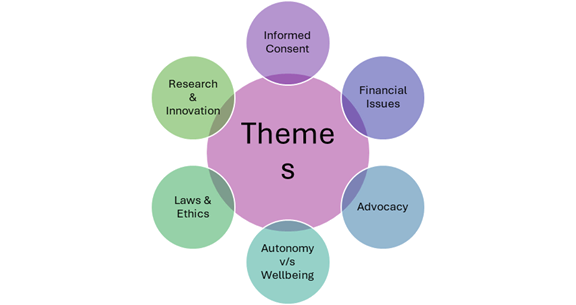
- Snapshot of KBG at AKU:
KBG 2025 at AKU featured six dynamic meetings, showcasing a total of 20 presentations delivered by 23 presenters from seven different institutes. The event provided a platform for diverse perspectives, interdisciplinary discussions, and knowledge sharing across multiple fields. The major themes were: